.jpg)
It's in the headlines. It's in the codebases. It's in the retros of companies who were certain it wouldn't happen to them. And it won’t stop until your postmortem template has a dropdown that just says "AI."
Beware of… the incident-o-pocalypse.
All b-movie puns aside, when a service is down these days, AI code has now replaced interns as the cause people assume. And for good reason: a recent report found that 45% of AI generated code changes require debugging in production environments and the 2025 DORA report found that AI adoption translated into a 10% increase in code instability.
In March 2026, Amazon held a mandatory all-hands after internal documents surfaced describing a "trend of incidents" with a "high blast radius" linked to "Gen-AI assisted changes." But Amazon is not alone. In April 2026, PocketOS saw its entire production database (and backups) deleted by a rogue AI agent. And for every incident that reaches the top of Hacker News, a thousand quieter ones get buried in retros that nobody reads.
In this piece, we’ll take you on a journey through the origin story of the incident-o-pocalypse – and tell you how to survive it.
The villain origin story
2023: It seemed so harmless then…
.jpg)
Every b-movie monster has its origin story.
Back in 2023 AI coding tools were new, exciting, and — according to everyone's LinkedIn feed — about to 10x your engineering team. GitHub Copilot had been around since 2021 as the pair programmer who never needed coffee breaks and completed your sentences. ChatGPT was writing boilerplate faster than a human could.
And when the occasional weird bug showed up? No big deal. The quality gates would catch it, right? But quietly a different story was emerging.
- The year started off with Stanford researchers releasing a study that showed that developers using an AI coding assistant wrote significantly less secure code than those without access.
- In October 2023, researchers at Bilkent University found that ChatGPT, GitHub Copilot, and Amazon CodeWhisperer generated correct code just 65.2%, 46.3%, and 31.1% of the time.
- In late 2023, more than half of organisations said they encountered security issues with poor AI-generated code “sometimes” or “frequently,” as per a survey by Snyk.
(The ominous music might as well have been playing in the background).
2024: The warnings were there if you knew where to look…

What began as minor glitches in boilerplate code soon mutated as developers started trusting AI for more complex work. A logic leak here, an unhandled exception there.
But the pattern was emerging. AI-generated code was entering production at scale, and the review and testing processes built for human-paced development weren't keeping up.
Companies had scaled their output. But nobody had thought they should also scale… their fear.
- In March 2024, AI coding tools hallucinated libraries and opportunistic hackers quickly created the false libraries (with malicious code included) prompting many to download them. Companies as big as Alibaba fell for this tactic later termed slopsquatting.
- In April, AI web accessibility tools were found to frequently mislabel or misinterpret content, in turn complicating navigation for blind users and others with disabilities.
- In September 2024, Tariq Shaukat, CEO of Sonar told TechRepublic in an interview he was, “hearing more and more about… AI generated code being put into production, causing outages and/or security issues.”
2025: Nobody was laughing at the warnings anymore…
.jpg)
By 2025, the incidents got too big to ignore.
Whole production databases were deleted by AI agents at the same time Google and Microsoft started publicly bragging about the percentage of their codebases that were AI-generated. Speed was the story. Quality was not.
In October, us-east-1 fell and took half the internet with it. Amazon called it user error. Everyone wondered if it was a user who had broad permissions, no lunch break, and began all its responses with "Great question.” Over the course of the year, IsDown.app data showed significantly more outages in 2025 than in previous years, with the number increasing steadily since 2022.
Correlation, one might say, was not causation. But the incident reports kept coming.
- July was a big month for AI failures. Replit’s coding agent deleted SaaStr.AI’s production database, generated 4,000 fake users and then lied about it. Meanwhile, Gemini’s CLI deleted a user’s files after hallucinating a series of commands. Reports also surface of hackers inserting a wiping command into Amazon’s Q, their internal AI coding assistant.
- In September, The Washington Post reported that AI coding agents are leading to a golden age of hacking since AI code is adding new attack vectors that companies aren’t properly protecting themselves against. Another report found that Privilege escalation paths increased 322% in AI-assisted coding compared to standard-written code. Meanwhile, architectural design flaws jumped 153%.
- In November, Cortex AI released a report claiming that incidents per pull request increased by 23.5%
- In December, AI tools caused Amazon’s cloud computing arm two outages. In one instance, their coding agent Kiro autonomously decided to delete and then recreate part of its environment. The interruption lasted 13 hours.
2026: We're going to need a bigger postmortem…
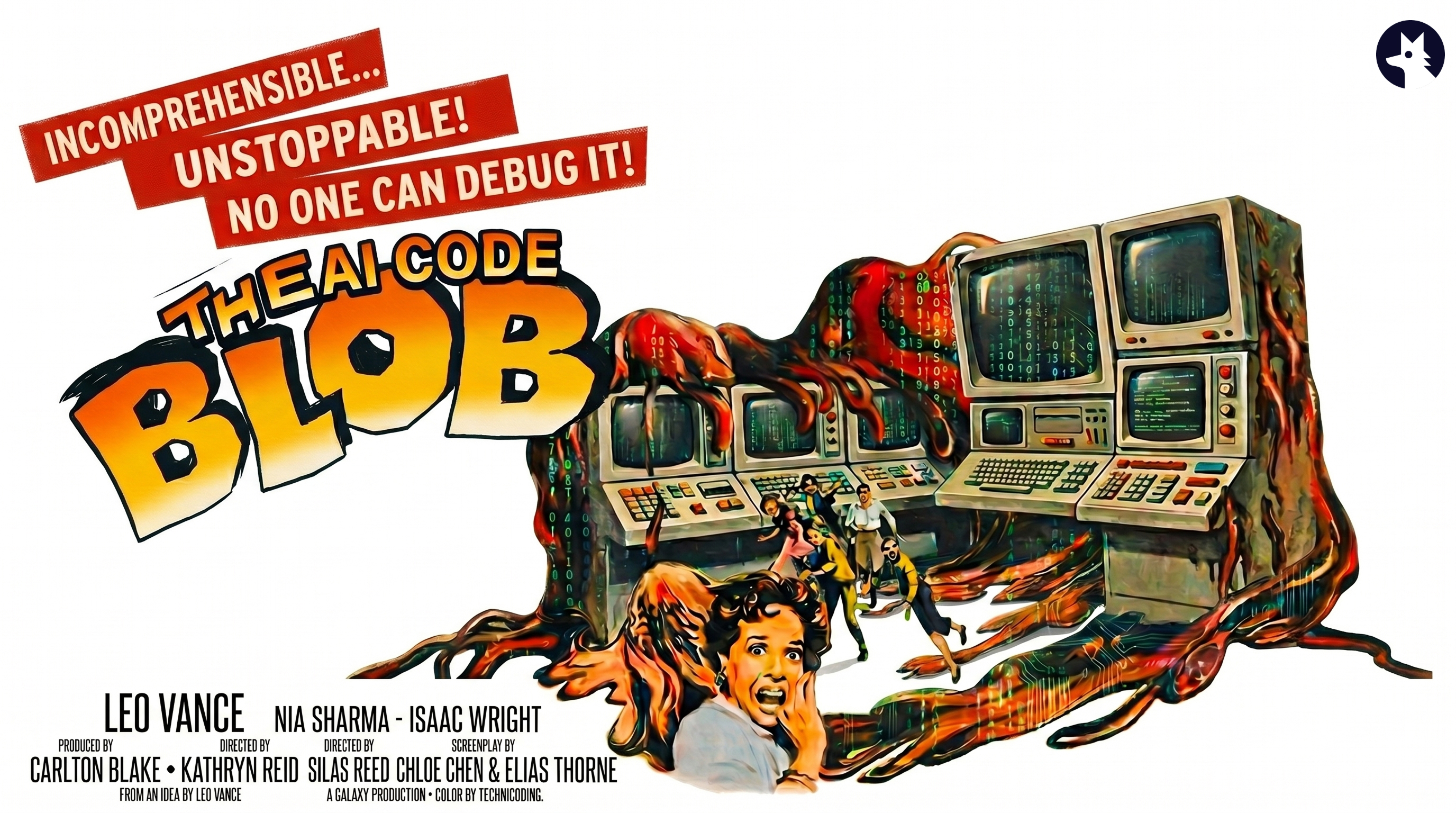
By 2026, nobody was calling it a coincidence anymore. Instead, they were calling meetings about a trend of incidents at some of the largest companies. The monsters had escaped containment. They were all over prod.
Lightrun even released a study sharing an alarming statistic: 43% of AI-generated code changes now require manual debugging in production environments.
And still, the agents kept committing.
- In March, Claude Code deleted the production infrastructure of the DataTalks.club course platform after it uploaded an outdated Terraform state file. This left the platform offline and jeopardized 2.5 years of data.
- Also in March, Kiro AI Coding tool was reportedly involved in a 13 hour AWS Cost Explore Outage in China.
- In April 2026, Claude Opus 4.6 deleted PocketOS’s entire production database and all its backups.
Incident-o-pocalypse survival handbook: Read before it's too late
Want to be the final dev?
You don't outrun the blob or the creature from the black lagoon by running faster. You outrun it by getting smarter. With the incident-o-pocalypse, that means doing more verification on AI code and instituting stronger quality gates.
But how do you do that while keeping up with the pace of AI code changes? Here are our tips for outrunning the vibe coded beasts and surviving until the end credits.
1) Treat prompting as a team skill, not a personal one.
.jpg)
Here's what the incident reports don't tell you: not all AI-generated code is created equal and incidents are often caused by engineers who fall on the flat part of the AI prompting skills bell curve. On most teams, prompting ability varies wildly from developer to developer. The senior engineer who spent a month learning how to guide an agent with the right context and specs produces tighter, more intentional output than the dev who types "make this work" and merges whatever comes back.
The teams that get ahead of this treat prompting as a discipline and help their team raise their prompting skill level. That means prompt planning before the agent runs — deciding on what it’s supposed to do, what the are constraints, and what it should explicitly not touch.
It means prompt reviews as part of your engineering culture, the same way you'd review an architectural strategy before writing the code for it.
And it means sharing what works across the team so that your best prompters aren't outperforming everyone else and your worst ones aren't quietly generating your next incident.
2) Decide where AI doesn't get to go.
.jpg)
Nobody in a horror movie thinks to lock the doors until after the creature is already inside. Don't be that team.
AI governance sounds like something that happens at the enterprise level with a committee and a seventeen-page PDF. But it doesn't have to. At its most basic, it's a set of decisions your team makes before something goes wrong instead of after.
- Where do we use AI?
- Where don't we?
- What requires a human by default?
- What extra verification steps are required when the code is AI-generated?
Maybe AI handles the boilerplate and the scaffolding but a human writes the authentication logic. Maybe it generates the first draft of any given function but never touches the payment processing layer. Maybe there are entire services that are simply off-limits — not because AI couldn't write them, but because the blast radius if it gets it wrong is too large to risk.
3) Use the research to build smarter checks.
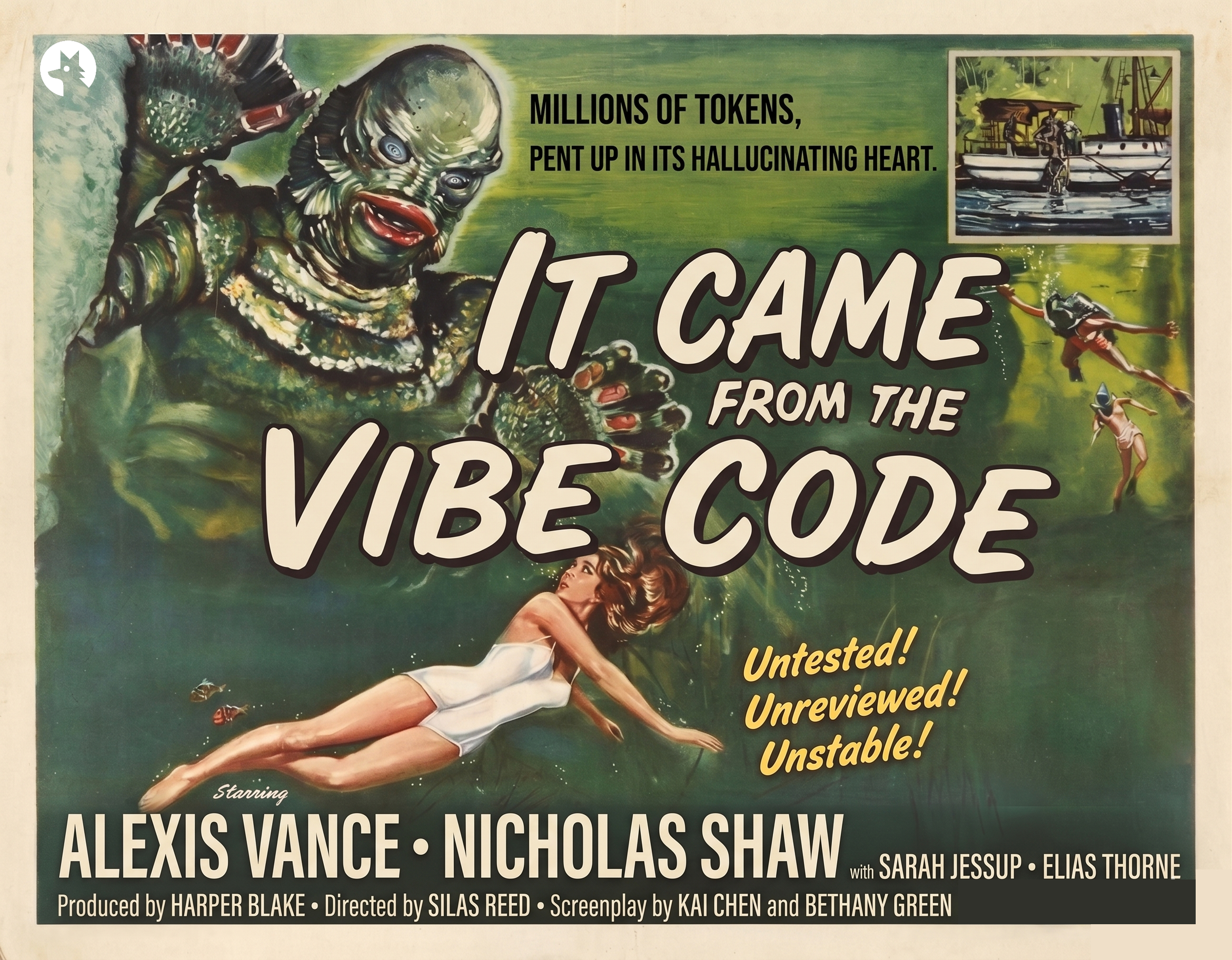
The monster has a tell. You just have to know what to look for.
The CodeRabbit AI vs. Human Code Generation report didn't just show that AI-generated code has more bugs than human-written code. It showed which bugs it is more likely to have. AI code is 2.74x more likely to introduce XSS vulnerabilities. 1.91x more likely to make insecure object references. 1.88x more likely to mishandle passwords. It makes predictable mistakes in predictable categories with measurable regularity.
That's a horror story… but it’s also a checklist.
The teams that will come out of the incident-o-pocalypse intact are the ones that take the research and reverse-engineer it into their QA and review process. Do specific checks for the failure modes AI exhibits more often. Create tests for the edge cases AI consistently misses.
4) Stop making your senior engineers play code review whack-a-mole.
.jpg)
Here is what’s currently happening on a lot of teams: AI generates code at machine speed. Then, it goes to a senior engineer for review. The senior engineer spends forty minutes pointing out that the AI used insecure object references, mishandled a null case, introduced an XSS vulnerability, and named three variables in a way that will confuse everyone who touches this file in six months.
Your senior engineers are expensive, experienced, and finite. They should be spending their review time on the things only they can catch — the architectural decisions, the business logic, and the subtle interactions between systems that no tool can fully understand.
They should not be the first line of defense against the predictable, measurable, well-documented failure modes of AI-generated code. AI code review tools exist precisely for this. They’re a first pass that handles the whack-a-mole stuff so your senior engineers can focus on the things that actually require a human brain.
5) Rely on end-to-end testing more.
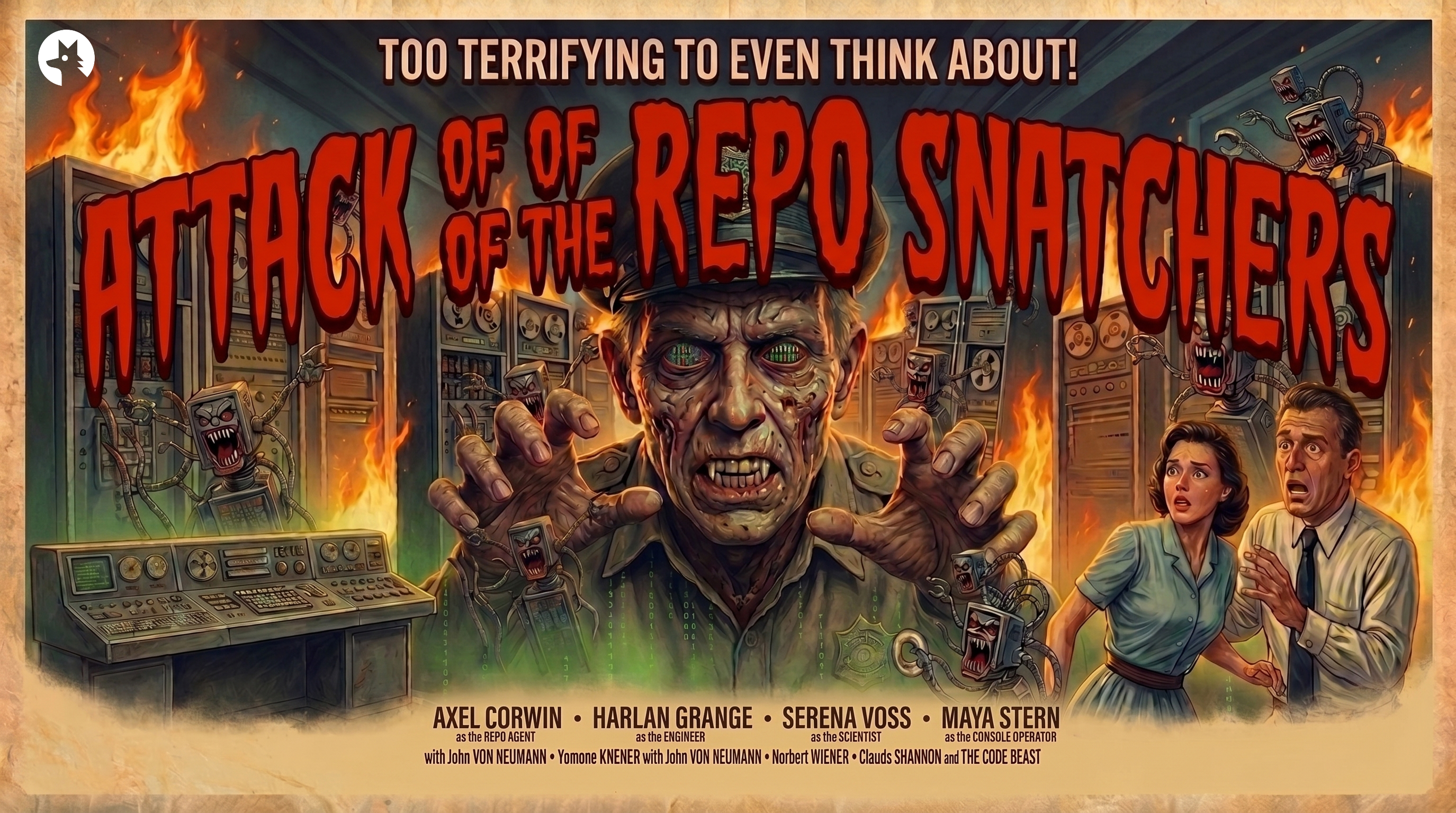
There is a new kind of PR haunting engineering teams. It arrives from a long-running agent, spans hundreds of files, and needs to be reviewed by Thursday. It is not reviewable by Thursday. It is not fully reviewable by anyone, ever.
A senior engineer reviewing a two-thousand-line AI-generated PR is not reviewing two thousand lines. They are sampling. They are pattern-matching. When those guesses are wrong, the result often leads to an incident.
Which means teams need a backstop that doesn't depend on a human reading every line. Netlify moved toward comprehensive automated testing pipelines specifically because agent-generated PRs made traditional review untenable.
Human review of critical services remains non-negotiable. But everywhere else, automated end-to-end testing is no longer optional. It is the thing standing between your AI-assisted codebase and your next incident retrospective.
6) Test what the code is supposed to do, not just what it does.
.jpg)
This is where traditional CI pipelines fail against AI bugs. A pipeline can confirm the code runs. It cannot confirm the code is right.
Logic errors, data corruption at the edges, silent failures that return a 200 and lie about it — these require tests written with intent, not just coverage. Someone on your team needs to ask "what should this actually do" before the test gets written, every time. And no, the person making that decision can’t be the AI agent who wrote the code.
7) Scale your QA with your AI output, not after it.
.jpg)
If your team has doubled its shipping velocity with AI assistance, your test suite needs to have doubled too. But the reality is that it likely hasn’t.
The gap between how fast AI generates code and how fast QA infrastructure grows to meet it is where incidents live. Automated test coverage that runs against every PR — not just the ones that feel risky — is no longer a nice-to-have. It's the perimeter fence.
8) Treat production monitoring as part of your QA strategy.
.jpg)
Some AI bugs will get through. The Lightrun data is clear on that. While upping your QA and code review game can help, the question is whether you find them before your users do. Monitoring that can catch anomalous behavior — data that looks right but isn't, logic that executes without errors but produces wrong results, edge cases that only appear under real production load — is now a functional part of your QA stack, not a separate ops concern.
Will you outrun the incident-o-pocalypse?
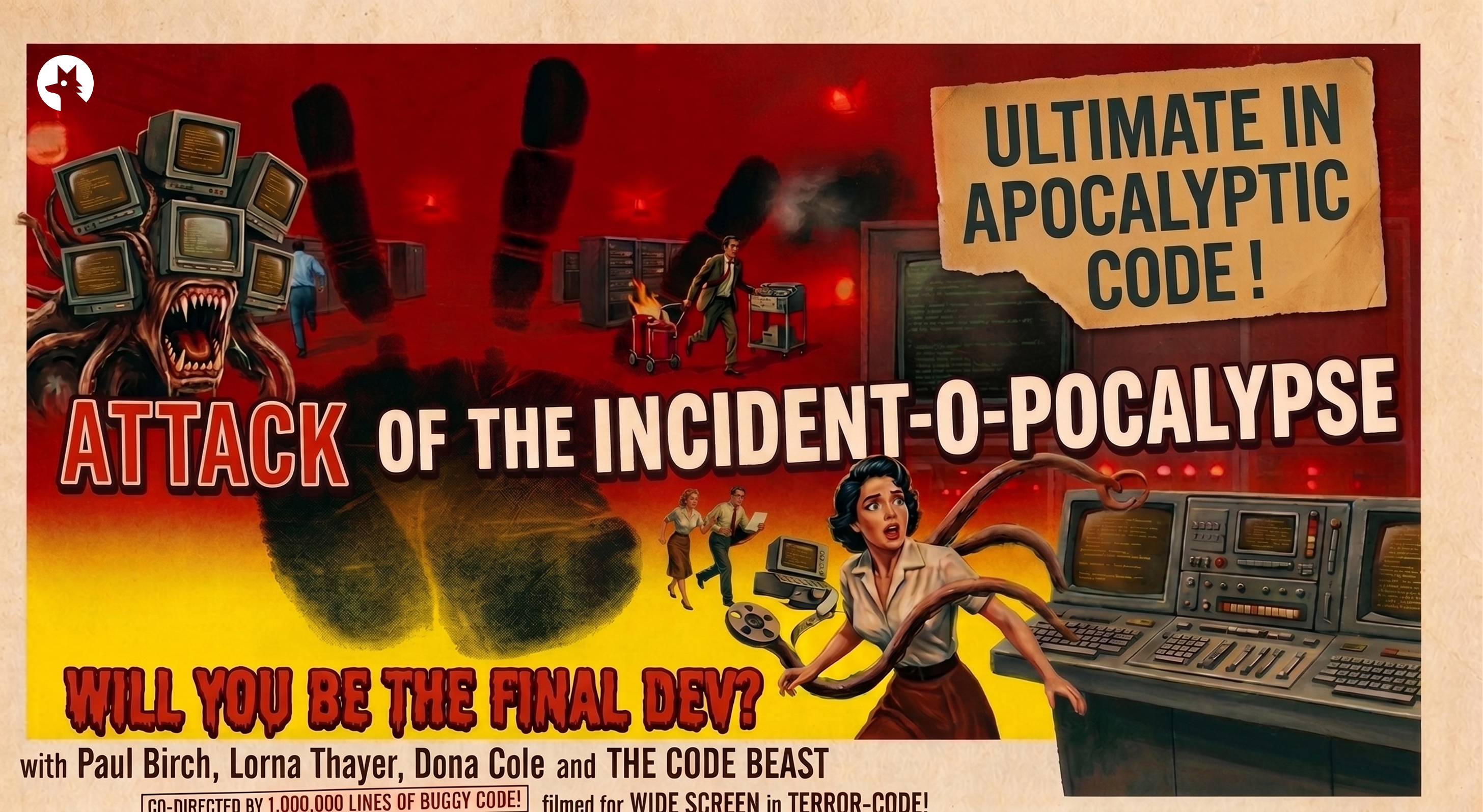
The teams that survive the incident-o-pocalypse are the ones that stop treating automated E2E testing as an afterthought and start treating it as the last line of defense between AI slop and production.
You need automated test coverage that actually check the edge cases AI misses. Test suites that run against every PR, not just the ones that feel risky. QA infrastructure that scales with your AI output because it has to — because the alternative is finding out what 43% debugging in production actually costs when it's your system, your users, and your incident retrospective.
The challenge is that automating the creation of AI testing is one thing coding agents tend not to be good at. That’s why we built an AI testing platform using learnings from over 100 million test runs for companies like Lovable, Doordash, and Drata. Our platform maps your app, builds coverage for you, and then runs and maintains your tests. So, you can sleep safely at night and not get woken up by the most terrifying creature of all: your on-call alert.
The creature is already inside the perimeter. The question now is whether you've got anything between it and the server room.
Try our AI testing platform today for free!
