
Why web application testing needs AI
Web application testing falls behind the moment AI-assisted development accelerates your velocity. PRs pile up, releases stall, bugs ship.
QA Wolf is the AI QA tool that helps you start shipping again. Agents map, automate, and run every web application test so your team ships quickly.
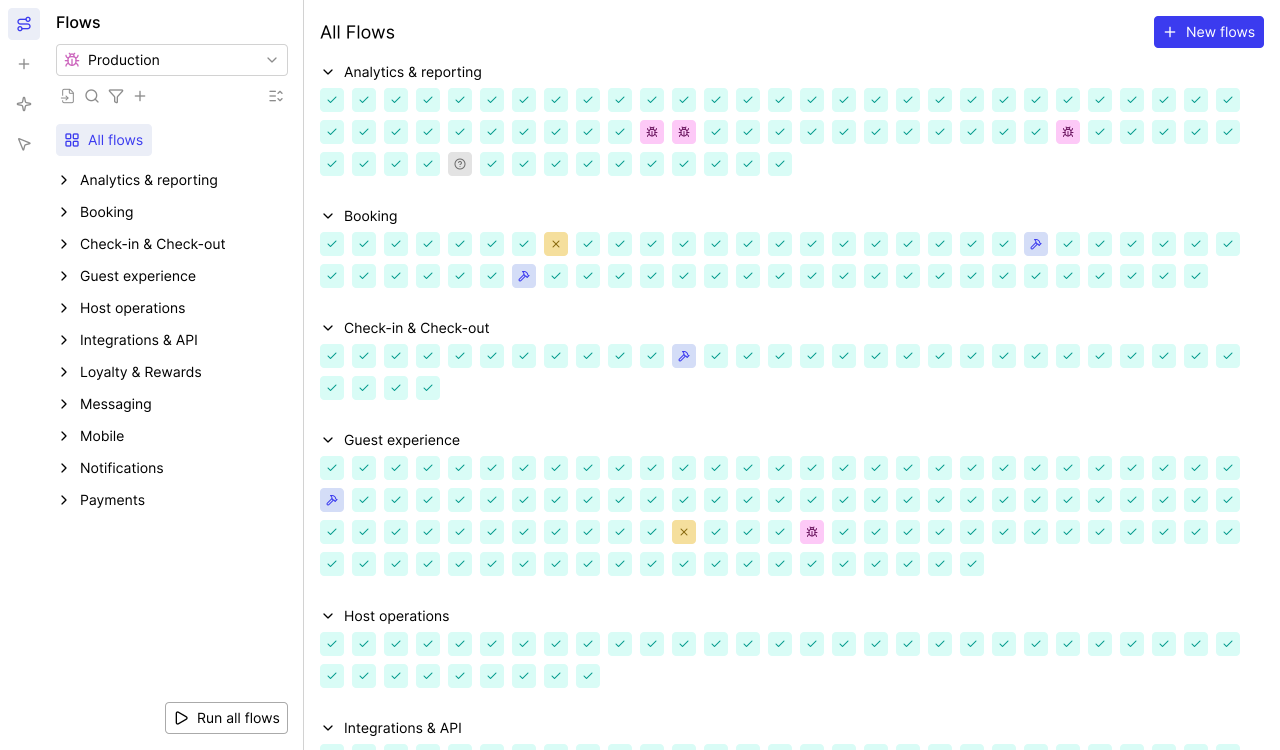
AI Mapping explores your entire app on its own — planning its approach, navigating every page and flow, and mapping 200+ test cases in minutes with zero human intervention.

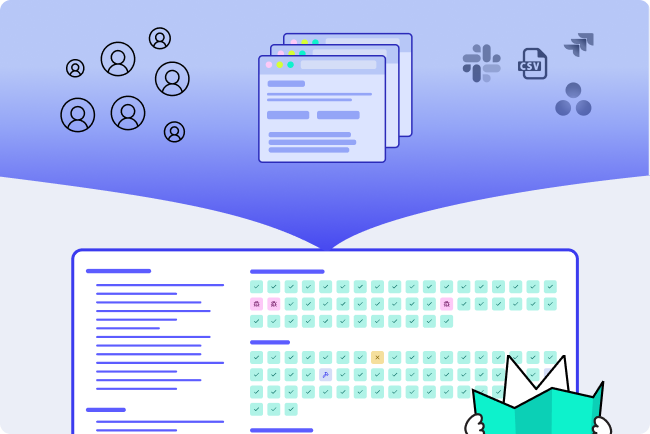
Map every workflow in your web application testing suite
Manual test mapping misses edge cases and goes stale within weeks. QA Wolf's Mapping AI autonomously:
- Explores your web application and switches user roles across environments.
- Maps 200+ test cases in minutes — not weeks of manual spreadsheet work.
- Learns how new features fit into existing flows and adjusts coverage automatically.
- Identifies multi-user and cross-platform workflows other approaches overlook.
- Chats with your team to capture business logic and define assertions.
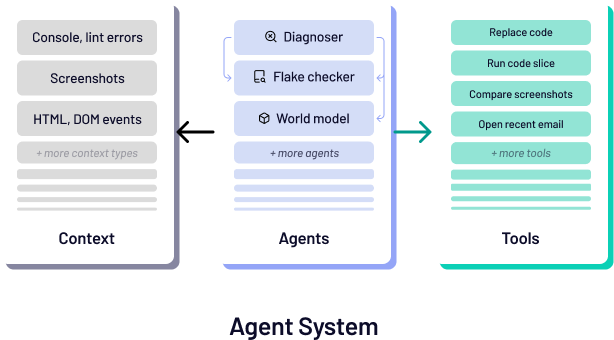
The web application test tool that writes real test code
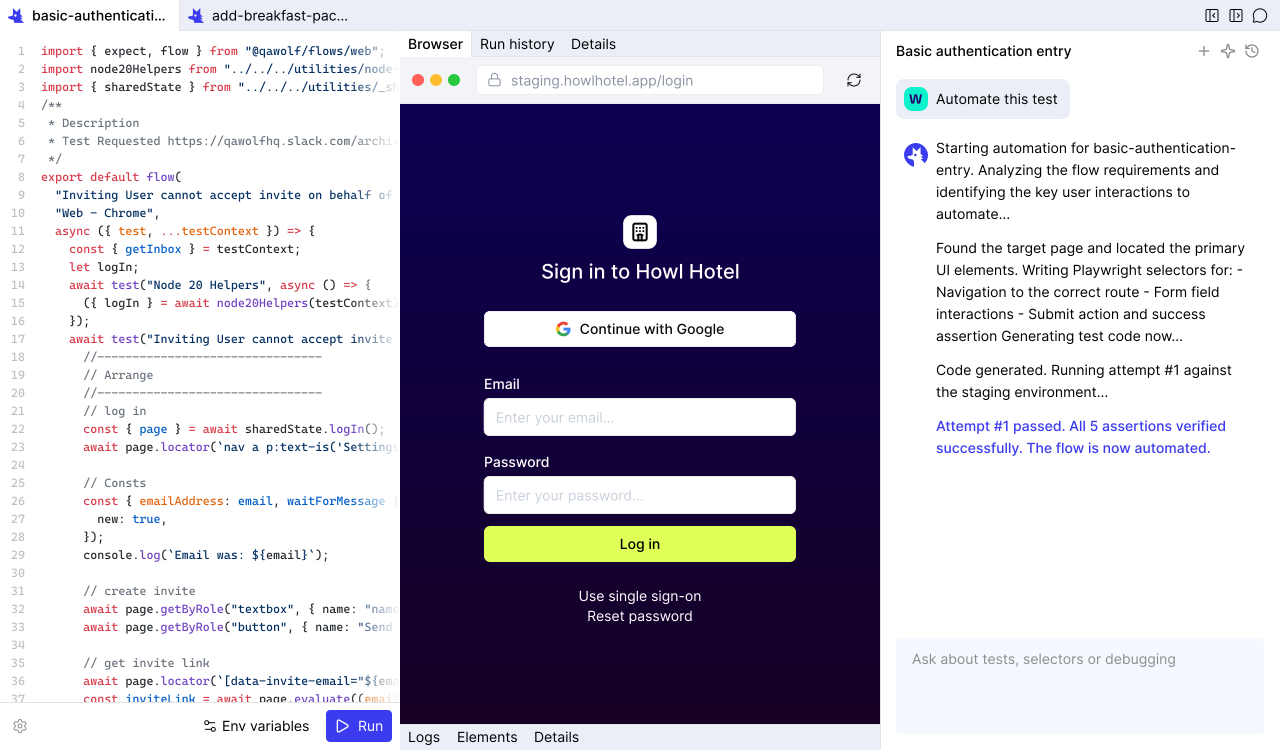
QA Wolf's Automation AI is the AI QA testing tool built to test web applications with deterministic, reproducible results:
- Writes real Playwright code — instead of brittle screen recordings.
- Repairs broken tests automatically — not just selectors.
- Runs the same way every time: 100% deterministic and reproducible.
- Covers complex scenarios including canvas API, database seeding, API calls, and feature flags.
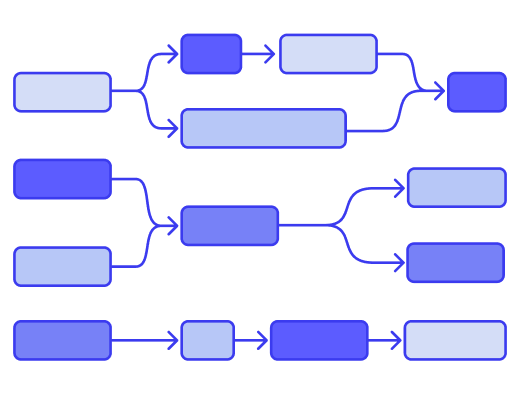
Test web applications at full speed with parallel execution
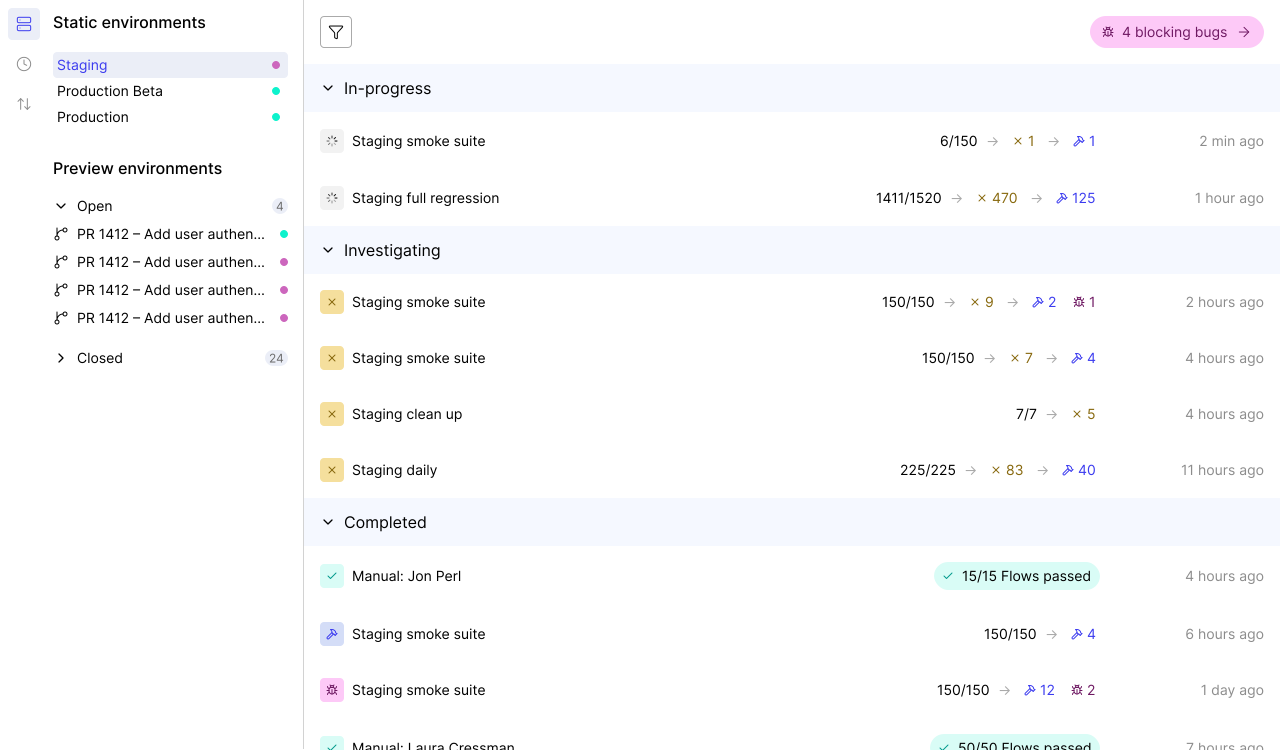
AI QA testing only works if your runs finish fast enough to match your release cadence. QA Wolf's run infra eliminates the wait.
- 100% parallel execution — every test in its own isolated container.
- Pre-booted environments bind in milliseconds, not minutes.
- DAG-based orchestration for complex dependencies and multi-user flows.
- Video replays, network traces, and logs saved for every run.
- Diagnoses failures, generates bug reports, and repairs tests.
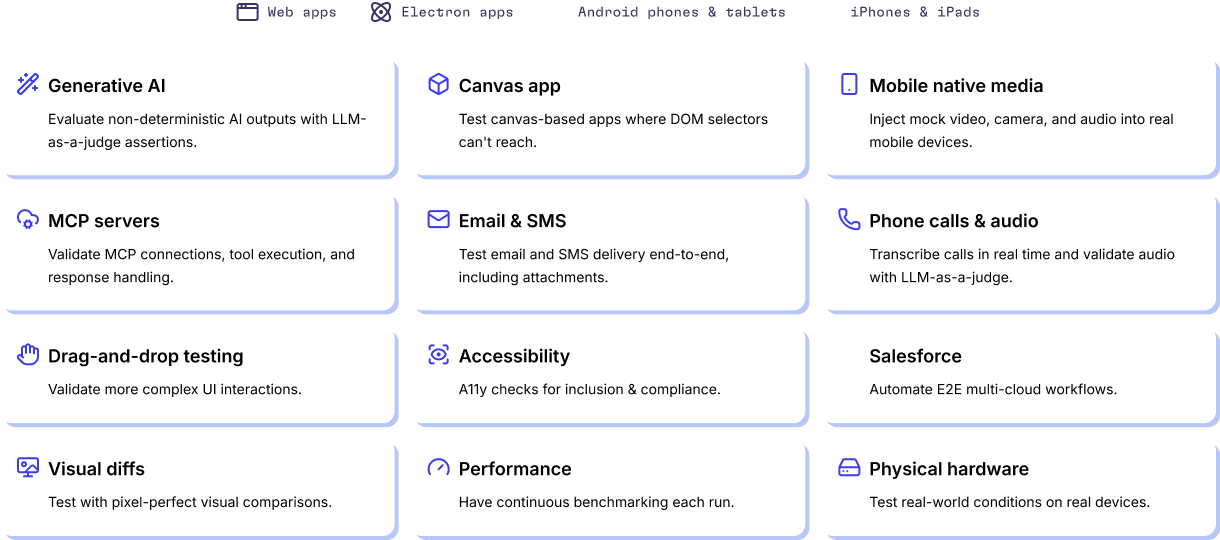
The complete web application testing solution for complex apps
Modern web applications span browsers, devices, APIs, and enterprise platforms. QA Wolf handles all of it.
- Web: Chrome, Firefox, and Safari/Webkit.
- Mobile: Android on GPU emulators, iOS on real iPhones and iPads.
- APIs and data: Database seeding, third-party integrations, MCP servers.
- Enterprise: Salesforce, feature flags, A/B variants.
- Verification: Email/SMS confirmation, phone call transcription.
- AI outputs: GenAI evaluation with LLM-as-a-judge assertions.
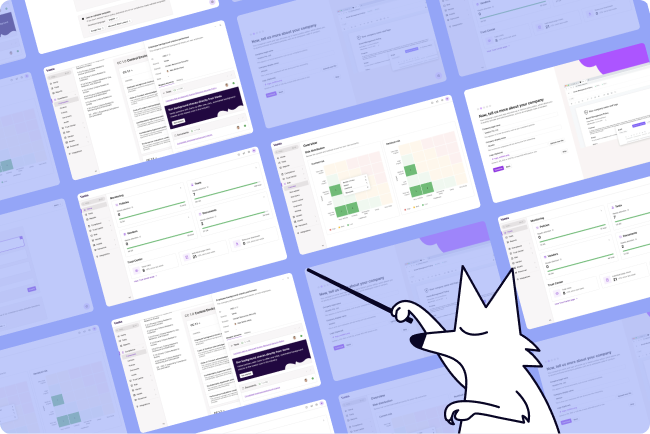
Manage 13x more tests with QA Wolf's web application testing platform
Engineers using QA Wolf manage 13x more tests than the average QA engineer. That means your team covers
- More edge cases
- More cross-platform flows
- More multi-user scenarios.
An AI Engine designed from the ground up for QA
You’ll get the results you’re after — we guarantee it.






Frequently Asked Questions
Website testing is the process of evaluating a web application for functionality, usability, performance, and security before and after deployment. It covers everything from verifying that buttons and forms work correctly to ensuring the application handles high traffic without breaking. Effective website testing catches bugs before users do, reducing costly production incidents. Modern web application testing combines manual exploratory testing with automated end-to-end (E2E) test suites that validate critical user flows. AI-powered web application test tools accelerate this process by generating and maintaining tests automatically, keeping coverage aligned with rapid development cycles.
Website usability testing evaluates how easily real users accomplish tasks within your web application. Start by defining specific user flows — account creation, checkout, search — and recruit participants who match your target audience. Record sessions to observe where users hesitate, make errors, or abandon tasks. Complement manual usability testing with automated web application testing that validates these same flows after every code change. Tools like QA Wolf map your application's user journeys and generate automated tests that verify usability-critical paths remain functional. Combining human observation with automated regression testing ensures usability improvements persist across releases.
The best web application testing tool depends on your team's needs, but the most effective tools combine AI-driven test creation with robust execution infrastructure. Look for a web application test tool that writes real, deterministic test code rather than relying on brittle record-and-replay or screen-based AI. Key criteria include parallel execution speed, self-healing capabilities, cross-browser and mobile coverage, and deterministic results. QA Wolf's AI QA platform maps user flows, writes Playwright and Appium code from natural language prompts, and runs your entire suite in parallel — delivering 12x faster runs than computer-use-based alternatives while maintaining full code ownership.
Conducting usability testing on your website requires a structured approach. Define test objectives — which flows matter most to your users and business. Create task-based scenarios that mirror real usage. Use both moderated sessions (where you observe users in real time) and unmoderated remote testing for broader reach. After each round, prioritize findings by severity and frequency. To ensure fixes hold, automate the validated flows as part of your web application testing suite. Automated regression tests catch regressions in usability-critical paths before they reach production, turning one-time usability findings into permanent quality guardrails.
Automating website testing starts with identifying your highest-value user flows — login, checkout, onboarding, data entry — and converting them into repeatable test scripts. Traditional approaches require writing and maintaining code manually, which creates a bottleneck as your application grows. AI-powered web application testing tools eliminate this bottleneck by generating real Playwright code from natural language descriptions. QA Wolf's agents map your application, write deterministic tests, and maintain them automatically when your UI changes. Tests run in parallel across isolated containers, delivering results in minutes. The key is choosing a tool that produces real code you own, not proprietary formats that create vendor lock-in.
Web application testing is the discipline of verifying that a web-based application functions correctly across browsers, devices, and user scenarios. It encompasses functional testing, regression testing, cross-browser compatibility, performance testing, and security testing. Comprehensive web application testing ensures every user flow — from simple form submissions to complex multi-step workflows — works as intended after every release. Modern AI QA platforms like QA Wolf automate this entire process: mapping test cases, writing deterministic test code, executing tests in parallel, and self-healing tests when the application changes. This approach gives engineering teams deep test coverage without the manual maintenance burden that slows traditional QA.